Best overall: a saddle that fits your horse and keeps you balanced. Best for comfort under the saddle: a pad that suits that saddle and horse. Best for leading at a stop: a halter and lead rope. The best horse tack for trail riding in 2026 starts with fit, not a longer packing list.
- The best horse tack for trail riding in 2026 starts with a correctly fitted saddle.
- Choose a saddle pad for your horse and saddle, not for its pattern alone.
- A bridle and reins serve ridden control; a halter and lead rope serve leading on the ground.
- Carry a hoof pick so you can check a hoof when your horse shows discomfort.
Why this matters
A trail ride asks your tack to do more than look good at the barn. You need to sit comfortably, communicate clearly and handle your horse when you get off. A pad cannot fix a saddle that does not fit, and a bridle is not a substitute for a halter when you need to lead.
If you are still sorting out the basics, start with this beginner horse tack guide. Then use the checks below to decide what belongs in your own trail kit. The Good Shepherd Ranch Clothing Co sells horse tack alongside ranch clothing and books, but the right piece is the one that works for your horse.
What makes the best horse tack for trail riding?
Judge each piece by the job it must do on the trail. These criteria come before any ranking because a good-looking piece that fails its job does not belong on your horse.
- Saddle fit: The saddle must suit the horse and let you sit balanced without fighting for position.
- Horse comfort: Look for rubbing, pressure or a change in how your horse moves after tacking up.
- Control: Your bridle and reins must let you give clear cues without relying on constant pressure.
- Trail practicality: Think about what you will use while mounted, at a stop and back on the ground.
- Condition: Check stitching, hardware and wear before you leave the barn.
Treat these as separate checks. A saddle can sit well while a pad bunches beneath it; a sound bridle can still be adjusted poorly. If you find a problem, deal with that piece before the ride rather than asking another piece of tack to hide it.
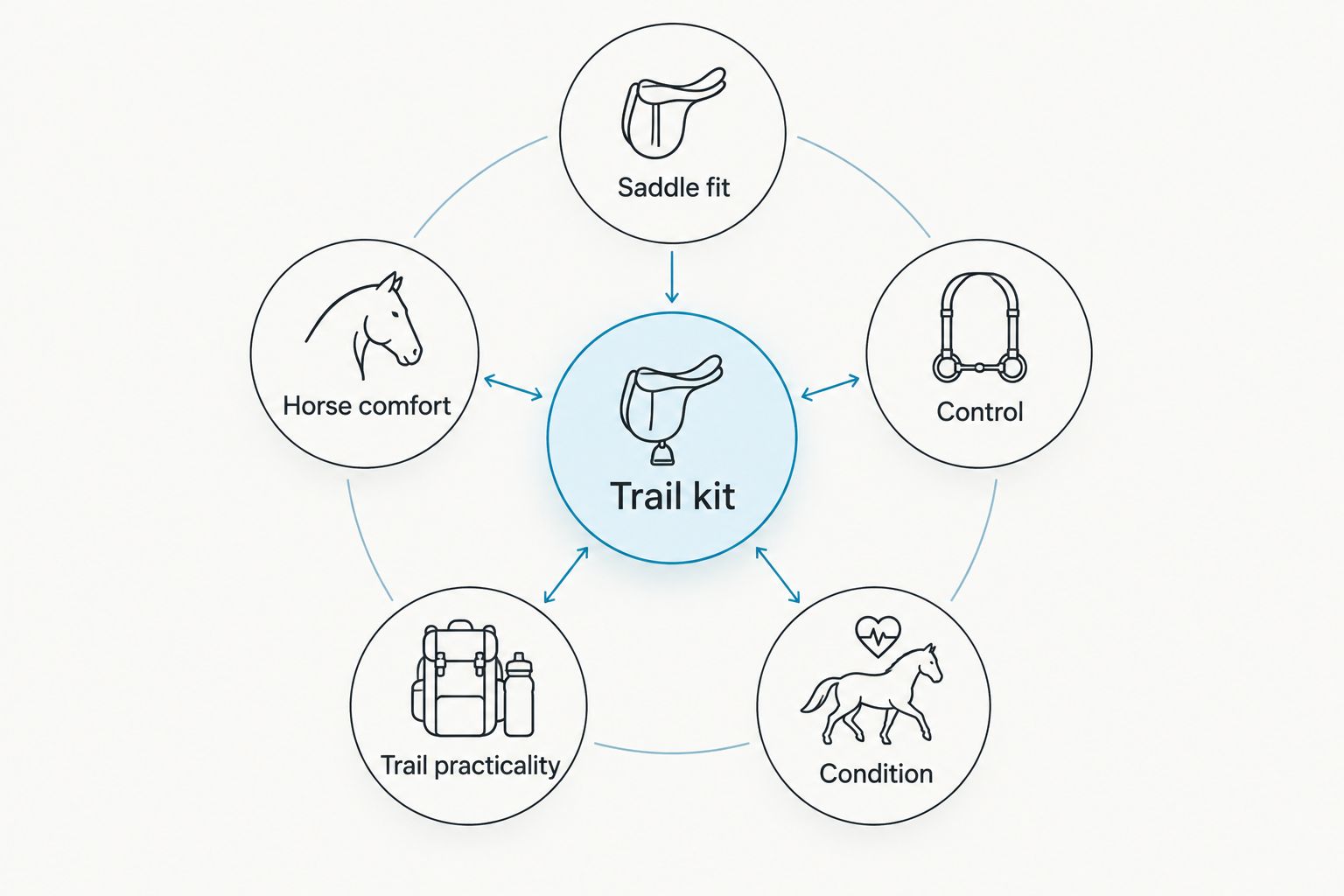
The best trail tack at a glance
| Item | Best for | Standout job | Key limitation |
|---|---|---|---|
| Fitted trail saddle | A balanced seat | Supports the rider over the ride | Needs individual fit assessment |
| Suitable saddle pad | The layer beneath the saddle | Sits between saddle and horse | Cannot correct a poor saddle fit |
| Bridle and reins | Ridden communication | Carry your cues to the horse | Poor adjustment creates problems |
| Halter and lead rope | Leading at stops | Let you handle the horse on the ground | Do not replace ridden tack |
| Hoof pick | Checking a sore or packed hoof | Helps clear loose material | Does not solve an injury or shoeing problem |
These are five different jobs, not five versions of the same purchase. In 2026, build your trail kit around the horse you actually ride and the stops you actually make. Start with the saddle and work down the list.
1. Fitted trail saddle: best horse tack for a balanced seat
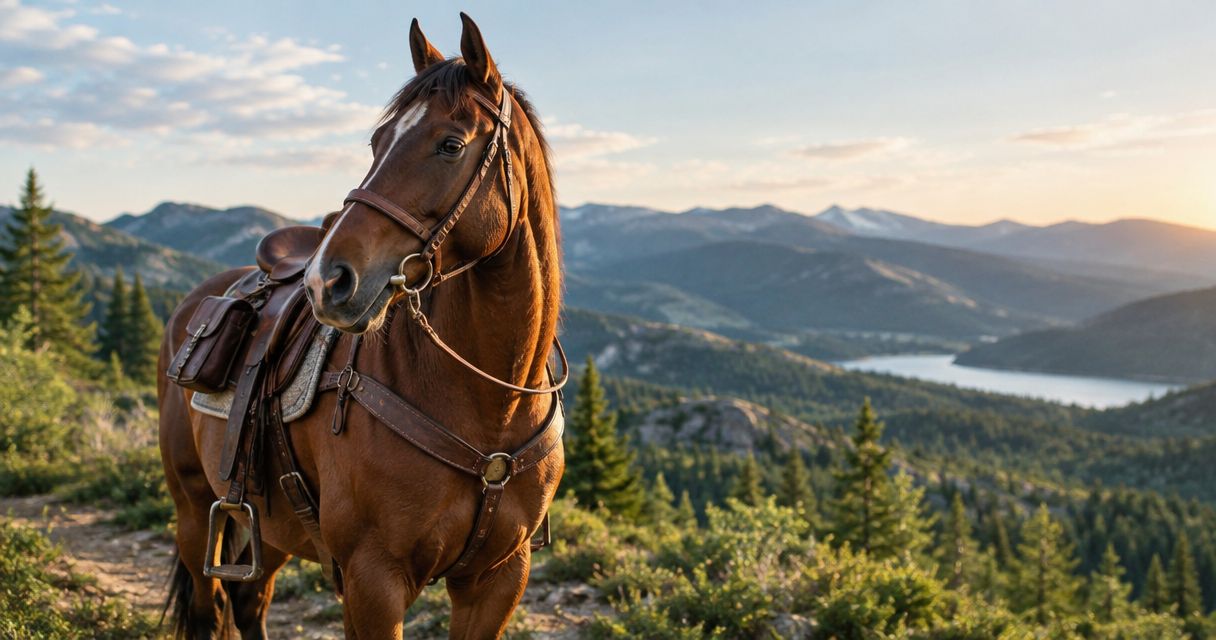
The saddle earns the top spot because you spend the ride in it and your horse carries it. A saddle that puts you off balance makes ordinary trail work harder. Fit is specific to the horse, the rider and the saddle together; the style name alone tells you little.
Check the saddle on your horse before treating it as trail-ready. Notice whether it stays stable as your horse moves and whether you can sit without bracing. After the ride, look for signs of rubbing or discomfort. If the fit is in doubt, get a qualified saddle fitter to assess it rather than stacking pads to make it feel different.
Fitted trail saddle pros:
- Gives the rider a place to sit and stay balanced.
- Can be assessed on the horse before a longer ride.
- Makes saddle choice a fit decision, not a slogan decision.
Fitted trail saddle cons:
- A saddle described as a trail saddle is not automatically right for your horse.
- A change in horse condition can call for another fit check.
- It is not a problem a thicker pad can simply cover up.
Best for: Riders choosing the foundation of their trail setup. Verdict: Buy only after checking fit on your horse.
2. Suitable saddle pad: best horse tack for the layer under the saddle
A saddle pad sits between the saddle and the horse. For a trail ride, it needs to lie smoothly, stay in place and work with the saddle you already checked. Pick it for that job first; color and pattern come later.
Lay the pad flat before saddling. Once the saddle is on, check for folds, bunching and contact where the pad meets the horse. Recheck after riding, particularly if you have changed pads. A pad that shifts or rubs deserves attention even when the saddle seemed fine at the barn.
Suitable saddle pad pros:
- Gives you a visible layer to check while tacking up.
- Lets you spot bunching before you ride.
- Can be chosen to suit the saddle and horse together.
Suitable saddle pad cons:
- Cannot turn an ill-fitting saddle into a fitted one.
- A pad that bunches can cause its own trouble.
- Its appearance does not tell you how it behaves under a saddle.
Best for: Riders who already have a saddle that fits and need a pad that lies properly beneath it. Verdict: Buy for compatibility and position, not pattern alone.
3. Bridle and reins: best horse tack for ridden communication
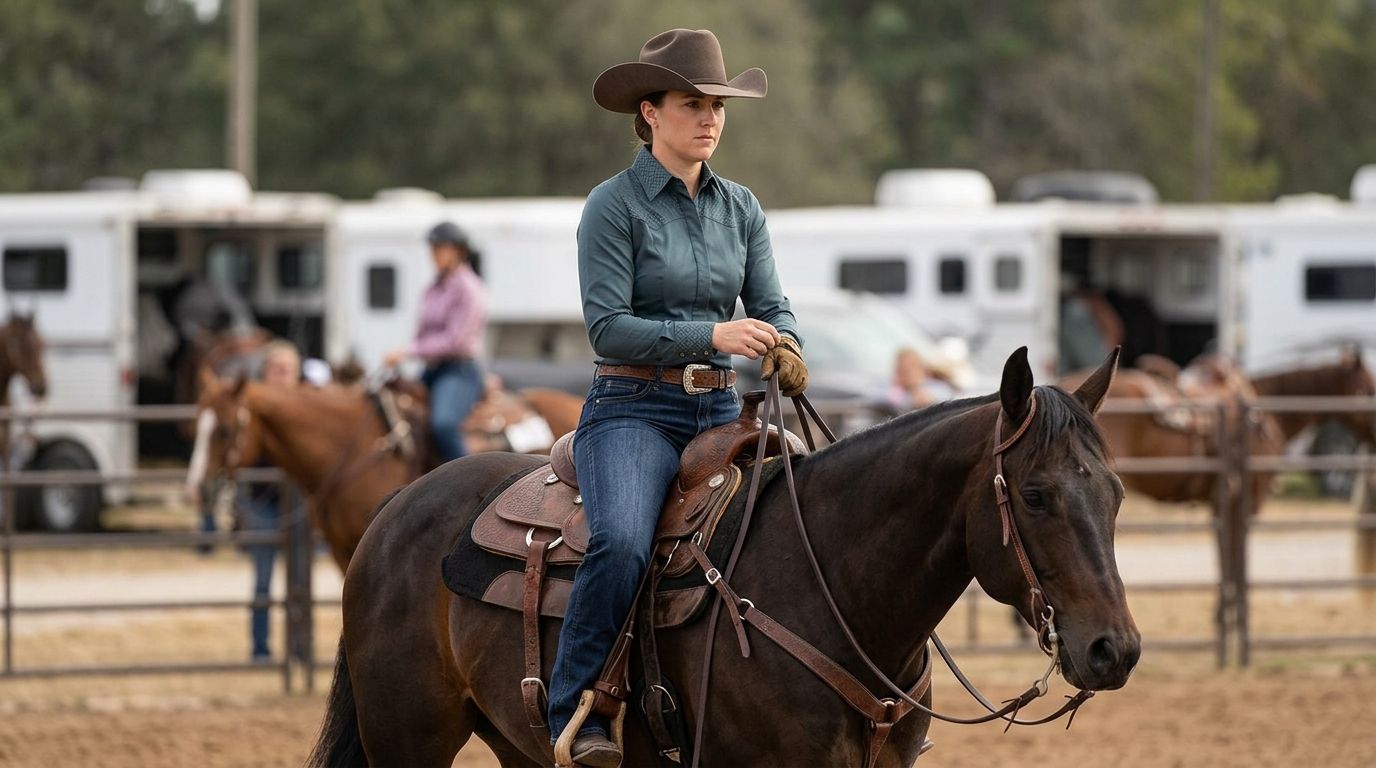
Your bridle and reins are how you give cues while mounted. The useful setup is one your horse understands and that you can adjust and check. Trail riding is no time to introduce an unfamiliar arrangement just because it looks suited to the outdoors.
Before heading out, inspect the parts that connect the bridle and reins. Check their condition and adjustment on the horse, then make sure your cues feel familiar in a controlled setting. If you are changing the bit or another part of the setup, work through that change before calling it your trail choice.
Bridle and reins pros:
- Give you a familiar way to communicate from the saddle.
- Allow a pre-ride check of adjustment and connections.
- Belong in a setup you and your horse already know.
Bridle and reins cons:
- The wrong adjustment can make an otherwise sound setup uncomfortable.
- Worn connections need attention before the ride.
- Ridden cues do not make this a substitute for a halter and lead rope at a stop.
Best for: Riders who want clear, familiar cues on the trail. Verdict: Buy only what you can fit, inspect and use with your horse.
4. Halter and lead rope: best horse tack for leading at stops
A halter and lead rope have a different job from the bridle. They give you a way to handle your horse on the ground when you stop, need to lead or return to the barn. That distinction matters most when a ride includes a stretch on foot.
Check that the halter fits your horse and that the lead rope and its connection are in sound condition. Before you leave, decide where you will carry them so they are accessible without interfering with your riding. Do not tie a horse by the reins; use suitable handling gear and follow safe tying practices for the place and horse.
Halter and lead rope pros:
- Cover a clear ground-handling job.
- Let you lead without using the reins as a lead rope.
- Are straightforward to check before departure.
Halter and lead rope cons:
- Need a practical place in your trail setup.
- A poor fit or worn connection still needs fixing.
- Do not replace the bridle and reins you use while mounted.
Best for: Rides where you expect to dismount and lead. Verdict: Buy when your trail plans call for ground handling, and check the fit first.
5. Hoof pick: best trail-kit tool for a hoof check
A hoof pick is not riding tack in the narrow sense, but it earns a spot in a practical trail kit. It lets you check for loose material when your horse reacts as though a hoof is bothering them. It is a tool for inspection, not a cure for every hoof problem.
Make sure you can reach it when you need it and know how to pick up and examine your horse's feet safely. If you find an injury, a shoeing issue or discomfort you cannot explain, stop treating it as something to pick out and get appropriate help. The point is to notice the difference.
Hoof pick pros:
- Has one clear job when a hoof needs checking.
- Helps you inspect rather than guess at the cause of discomfort.
- Fits into a simple trail-kit routine.
Hoof pick cons:
- Does not repair a shoeing problem or treat an injury.
- Is useful only when you can handle your horse safely for the check.
- Does not replace a broader assessment of a horse that remains uncomfortable.
Best for: Riders who want a way to check a hoof during a ride. Verdict: Buy as a practical tool, not as a substitute for hoof care.
How these picks were ranked
The 2026 ranking follows the job each item does. Saddle fit comes first because the saddle affects the horse and rider throughout the ride. The pad follows because it works under that saddle, not independently of it. Bridle and reins handle ridden cues; the halter and lead rope handle stops on the ground; the hoof pick helps with a specific check.
This is a decision order, not a claim that one item can replace another. If you already own a fitted saddle, start with the next weak point in your setup. A worn rein connection calls for attention before you shop for an extra trail accessory.
Which horse tack should you choose for trail riding?
Choose a saddle that fits your horse as the default first decision in 2026. Then check the pad beneath it and the bridle and reins you will use. Add a halter and lead rope for rides that call for leading, and keep a hoof pick where you can get to it.
Do not buy the whole list on appearance. Put each piece on your horse, check its condition and ask what job it does. The Good Shepherd Ranch Clothing Co is a place to browse ranch and rodeo goods, including tack; the fit check still belongs to you and your horse.
FAQ
What's the best horse tack for trail riding in 2026?
A saddle that fits your horse is the best starting point for trail riding in 2026. Follow it with a suitable pad, familiar bridle and reins, and ground-handling gear that matches your ride.
Can a saddle pad fix a saddle that does not fit?
No. A saddle pad does not correct a saddle that fits poorly. Assess the saddle on the horse before choosing the pad that goes beneath it.
Do I need a halter and lead rope for a trail ride?
Bring a halter and lead rope when you expect to dismount and lead your horse. They serve a ground-handling job that bridle reins should not be asked to do.
Is a trail saddle better than another saddle for every horse?
No. A trail label does not establish that a saddle fits a particular horse and rider. Check the individual saddle on the horse before deciding.
Why bring a hoof pick on a trail ride?
A hoof pick lets you check for loose material when a hoof seems to bother your horse. It does not fix an injury or a shoeing issue.
What should I inspect before riding out?
Check saddle and pad position, bridle adjustment, and the condition of stitching, hardware and connections. Address wear or discomfort before leaving the barn.
One last thing
The shortest useful 2026 trail-kit check starts before you mount: look at the horse, then the tack. A pad that has folded or a connection that has worn will not improve farther down the trail. The Good Shepherd Ranch Clothing Co carries goods for horse and ranch life, but no purchase takes the place of that barn-door check.